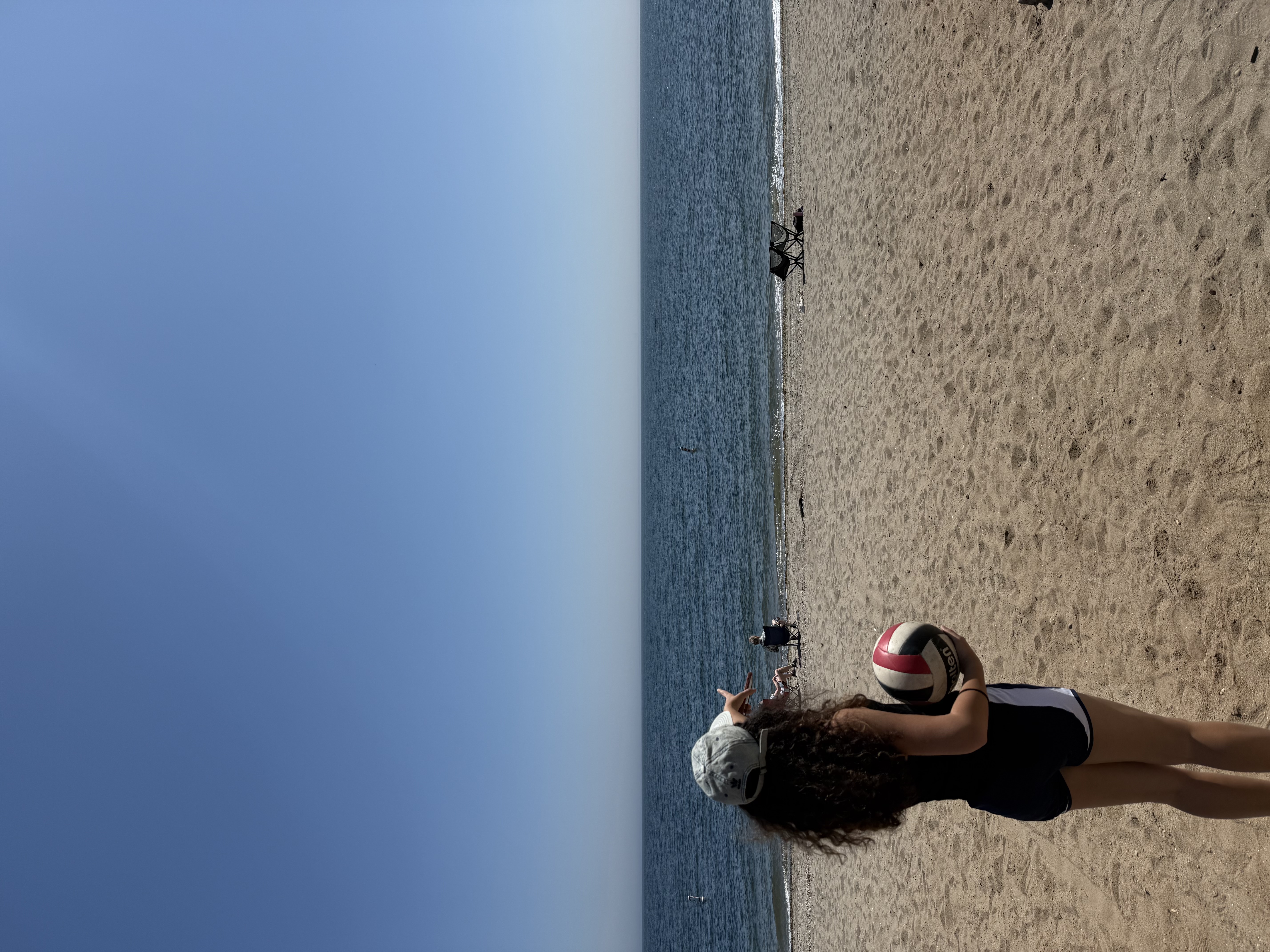
Friends from Still Further Shores
(Anabel Guerreiro 17 May 2025)
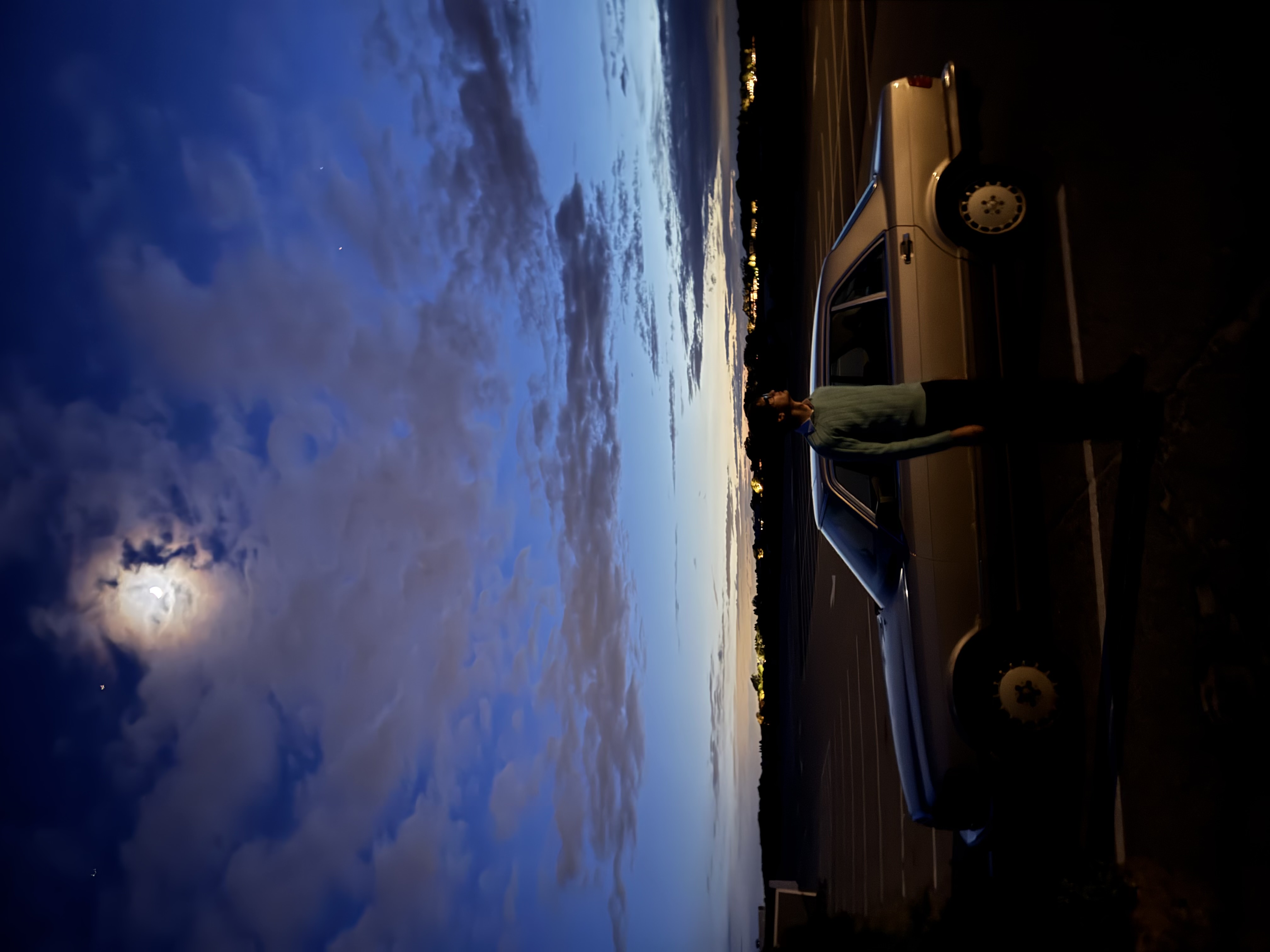
On the Country Lanes of My Youth
(Viola Rouhani 31 May 2025)
6 August 2025
Since my last article about springtime on the Piedmont Plateau at Princeton, I’ve gone back in time, back to the cooler, earlier-born maritime spring of my native soil. That was nearly three months ago.
In the meantime, I've seen the Serengeti, the Red Cliffs of China, the majestic Rhine, the setim altar of Israël, Huck Finn's raft drifting the brown river tide, and the ghosts of South-Sea whalers---true wonders of the world---through
eyes of New York Excelsior, Wind-blown Paumanók (her sons and daughters forever), River-cleft Taconic and Hudson Highland, Mannahatta Irrepressible Civitas, pastoral Mohawk, and Frontenac Axis.
Back on the country lanes of my youth, memories beckoned from roadside ditches in lordly hosts, ghost cavalries galloping before and behind, inescapable even on midnight fuges down Shinnecock's desolate moors.
Yet, looking across the great sounds of water which encompass our island home, I can make out friends waving from still further shores, transmitting their own higher dignities, ideals, and histories.
Everything comes in quickly now, kaleidoscopically, beaming in through the mist---Washington's orders, every leaf on the trees, Victoria!, Kadjar princes and their slaves, the Roman de la Rose, Sherman and Stonewall: Savage Kingdoms of Experience.
Four days after Pentecost, I set off. . . myself, a Teutonic night in conquest of the north. . .
While I might say now that that was my first mistake, really, it was only one in a series of mistakes we've been making for a very long time now.
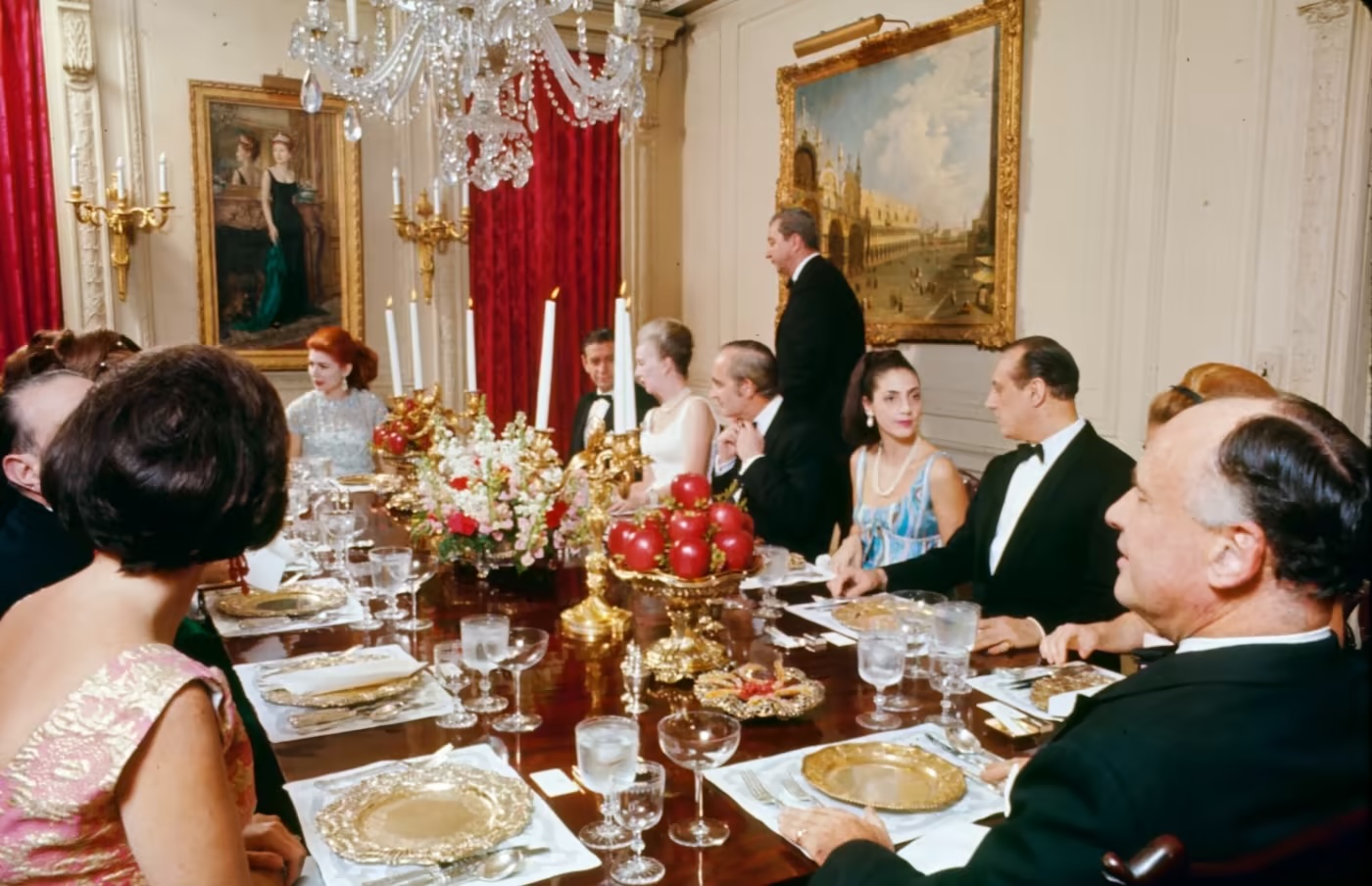
Really, we've all been country squires now for some time; each of us on our own Crusade, or our own Grand Tour, collecting fine pictures of Venice to hang in our dining rooms, portraits and landscapes of things we love, views of the fine tuscan paysage,
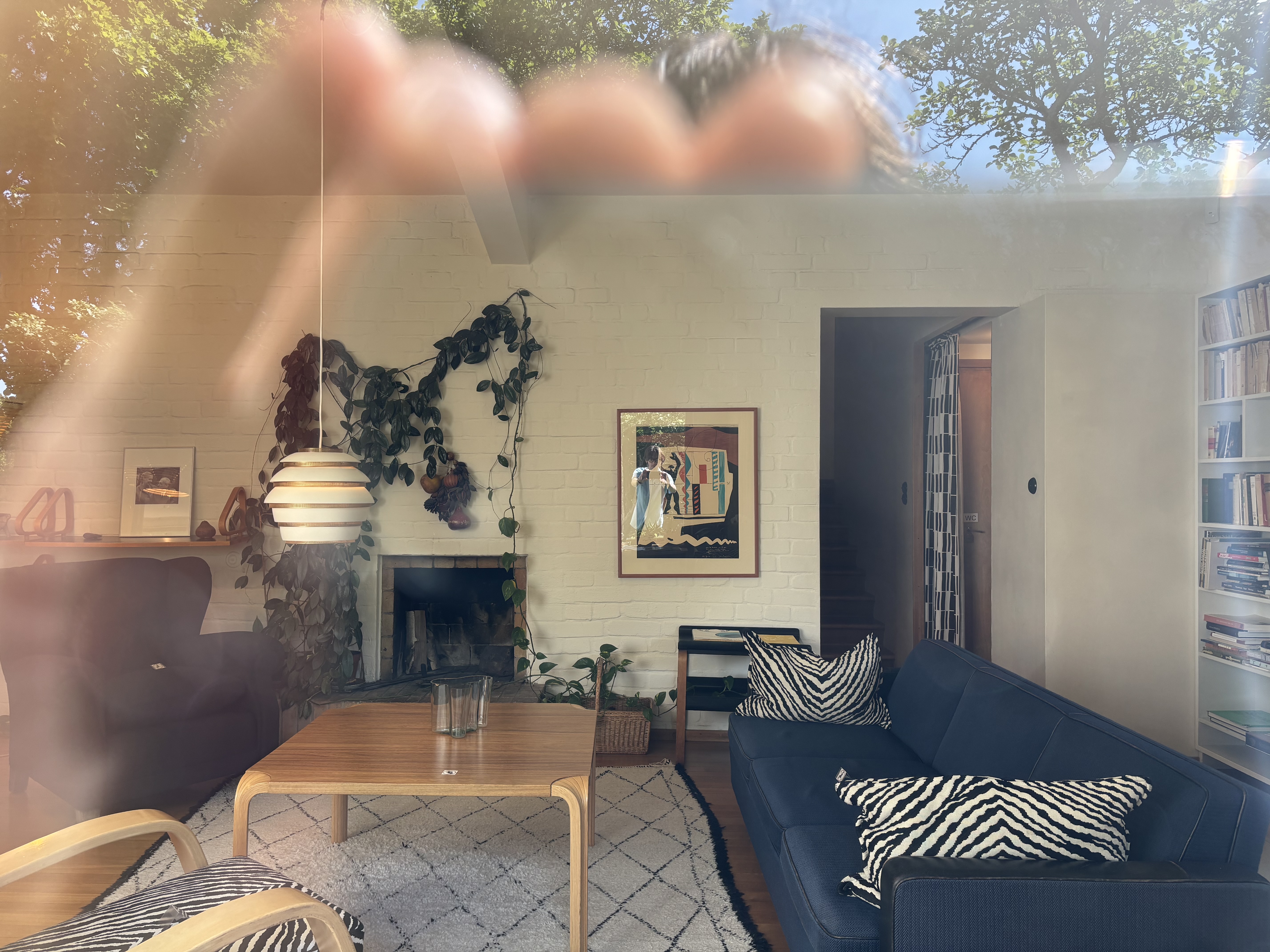
and icons put up as windows unto the heavans. Even the way we book our tours, in grand cars on the Orient Express, with lovely large windows to peer out of, with the lovely large windows we carry everywhere on our backs,
hoping to capture and store away some of the lovely things we see into lovely memories we can take back with us in form of tchotchke bric-à-brac thing, in form of lens, in form of providenced connection, in form of genuine love and admiration, in form of divine right, in form of
ophthalmological device. What can't we see today? How can't we see our surroundings? How can't we see our place in the world, each of us differently so that on the same street and in the same streetcar
one man's throat is wrapped up in Zagreb, while his hands are thumbing themselves in Stockholm, his feet warmly ensconced in Srinagar, and his head lost in Astrakhan (if you can excuse a bad joke!!).
It seems as if the cult of the souvenir shall live on forever. . . forever and ever. . . in our memories forever. . .
Of course, we're all imposters. Just as what is universal is never truly universal, what is vulgar is never truly vulgar. We just find ourselves on strange beaches, with large automobiles and beautiful houses and beautiful wives, conquered by memories we never made,
memories themselves conquested by the rabid militias of the past, conquested by our windows onto the world. Soldiers all family graves and manor halls full with flat faces, soldiers the beautiful keepsakes we all accumulate and bring out from our cupboards when we're blue.
We're obsessed with the Vernacular, with authenticity, identity, and contextualism---or else we try to appropriate the past, our misplaced memories, the fruits of other hands, into a false idea of identity. We're obsessed with belonging and more and more with excluding, with delimiting and rarefying the thing that we are beyond identity and unto impossible form.
We're obsessed with stories of continuity and return and meditations on the supposedly true thing we are. Really, we're jingoistic and monomaniac---bigots one and all.
Consider the young duke: born into his family at random, barely taught its ways and customs (if ways and customs can be ascribed to noble families across generations),
made to wander his family's hallowed halls, fixing patterns to the darkness. Aren't we all just creatures of pattern? We must make our little meanings, trying to find some stories to tell, conjuring up signs out of the past,
ascribing them to ourselves, dessecating the world into pure pigment for our glorious palaces of imagition. Thus the young duke is styled; brought into his ancient heritage by serfing his forefathers: taxing the works of their lives, squeezing from them their nobility.
All their humanity, their courage, tenderness, power is reduced to teleology.
Luckily, we do have our friends from further shores, because, as remedy to our ever-threatening return to feudalism, true connection in life---a vast thing, just waiting to be catalyzed---democratizes meaning.
Once people, with all their warts and inexplainable things come to enliven and inhabit our world and stand in our fake-believe windows, replacing pure image, pure form, alien curiosity rendered into abstract quality, dichotomy and label and limit evaporate.
In their place, it's hard to say what prevails. . . nothing especially. But laughter anyway, live laughing, full of strange sounds and hoots and chuckles and shrieks, not ghostly at all, not echoing from any dark hall, but golden warm, smelling of the most wonderful odors,
colored by a substantial light, coarse and rough and full, not checkered but motley. As we seek the food of light, so we thrive in light.
Ainsi voit l’on, en un ruisseau coulant,
Sans fin l’une eau apres l’autre roulant,
Et tout de rang, d’un eternel conduict,
L’une suit l’autre, et l’une l’autre fuyt,
Par cette-cy celle-là est poussée,
Et cette-cy par l’autre est devancée:
Tousjours l’eau va dans l’eau, et tousjours est-ce
Mesme ruisseau et tousjours eau diverse
Etienne de La Boëtie